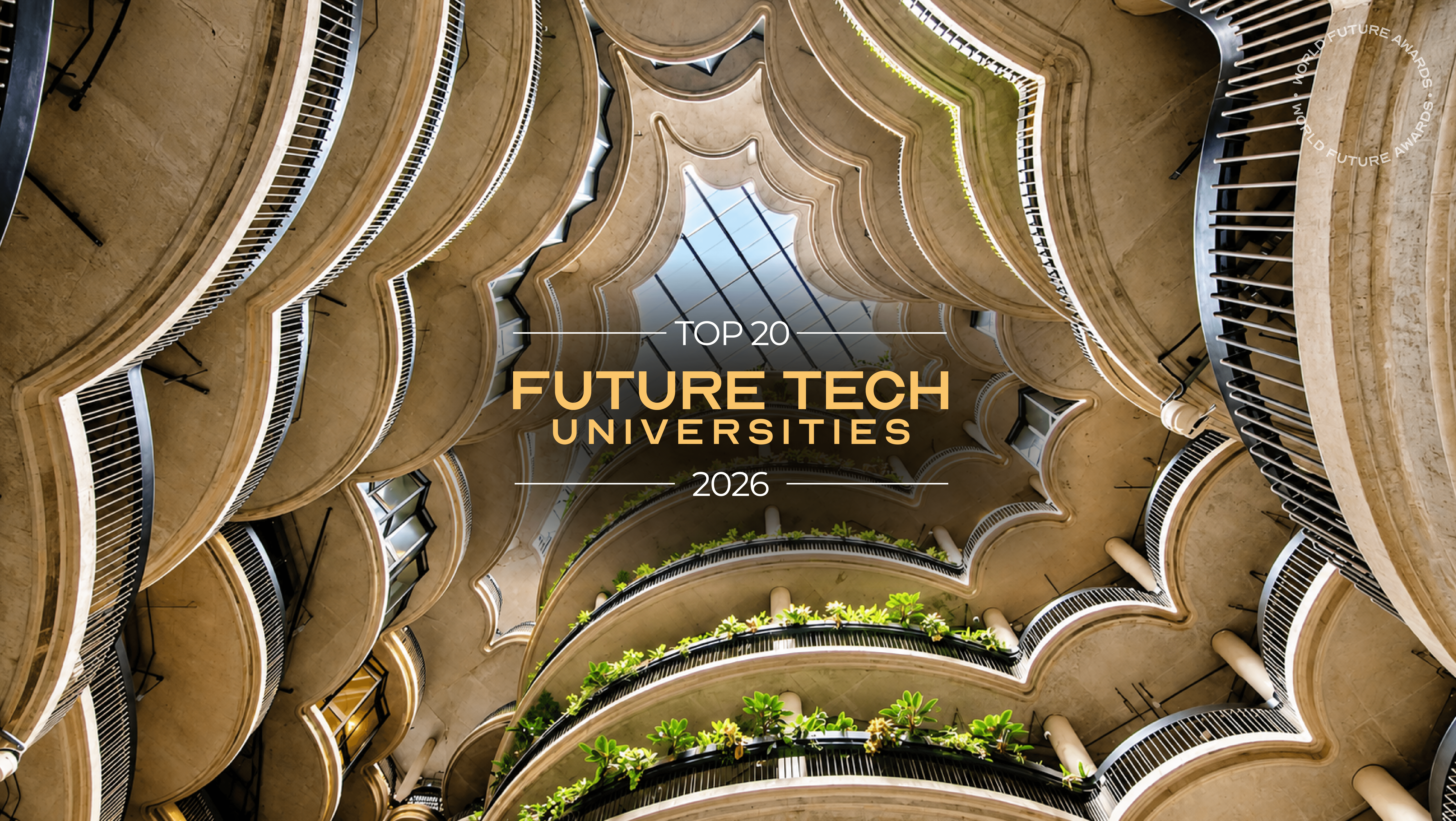
TOP 20 FUTURE TECH UNIVERSITIES 2026

The Universities Building the Technologies of Tomorrow

Technology does not advance only in corporate laboratories. Long before a new AI system, robotics platform, quantum technology or digital infrastructure reaches the market, much of the underlying work is being developed inside universities.

The world’s leading technology universities have become more than places to earn a degree. They are research engines, talent magnets, startup ecosystems and testing grounds for the technologies that may define the next decade.

For this WFA editorial selection, the primary benchmark is the latest QS World University Rankings by Subject 2026: Computer Science & Information Systems. The ranking was published on 25 March 2026. WFA then applies a future-tech editorial lens, considering research depth, emerging-technology relevance, interdisciplinary potential and links between research and innovation.

The 2026 Ranking

RankUniversityCountryQS 2026QS 2025
1Massachusetts Institute of Technology (MIT)USA94.91
2Stanford UniversityUSA92.92
3Carnegie Mellon UniversityUSA90.93
4National University of Singapore (NUS)Singapore89.84
4University of OxfordUK89.85
6University of California, BerkeleyUSA89.18
7Harvard UniversityUSA89.07
8University of CambridgeUK88.59
9Nanyang Technological University (NTU)Singapore88.16
10ETH ZurichSwitzerland85.910
11Tsinghua UniversityChina84.911
12Imperial College LondonUK83.422
13University of TorontoCanada82.812
14Princeton UniversityUSA82.413
15EPFLSwitzerland81.615
16Peking UniversityChina81.414
17Cornell UniversityUSA79.718
18Institute of Science TokyoJapan79.4136
19University of California, Los Angeles (UCLA)USA79.016
20University College London (UCL)UK78.924

1. MIT — Massachusetts Institute of Technology

Why it stands out: where research, engineering and entrepreneurship meet.

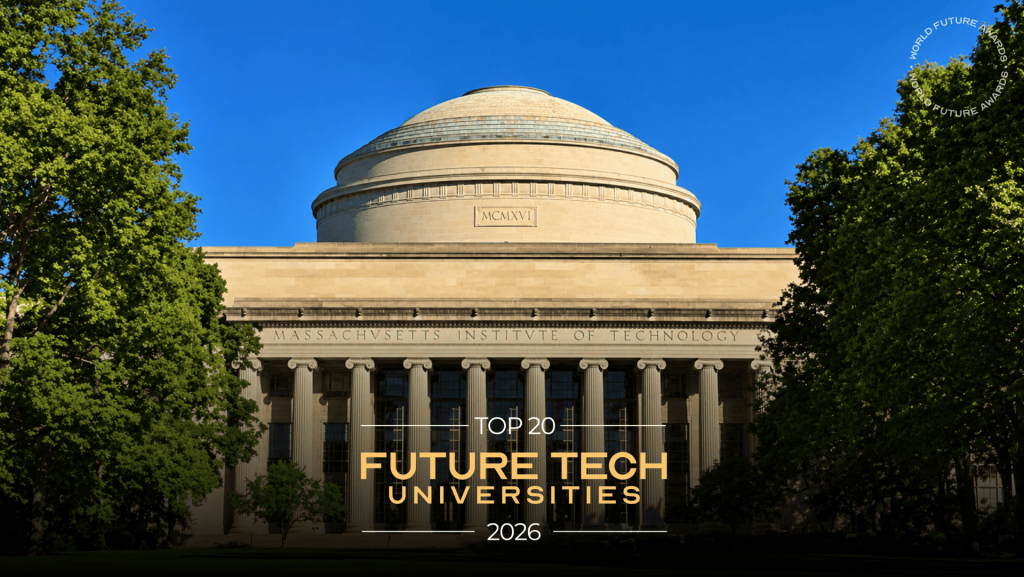
MIT leads the 2026 QS Computer Science & Information Systems ranking. Its strength is the ability to connect computing with engineering, AI, robotics, science and entrepreneurship. For future technology, that cross-disciplinary model is especially powerful: ideas can move from fundamental research toward prototypes, startups and real-world applications.
2. Stanford University

Why it stands out: deep research connected to one of the world’s strongest technology ecosystems.

Stanford remains #2 in QS 2026. Its influence spans artificial intelligence, computer systems, robotics and human-computer interaction, while its Silicon Valley environment creates unusually close links between researchers, founders, investors and technology companies.

3. Carnegie Mellon University

Why it stands out: exceptional depth in AI, robotics and autonomous systems.

Carnegie Mellon holds #3. Few institutions are as strongly associated with practical AI and robotics research. Its work across machine learning, computer vision, language technologies, cybersecurity and autonomous systems makes it a particularly important university to watch as intelligent machines move into the real world.

4. National University of Singapore (NUS)

Why it stands out: a leading Asian technology hub with global reach.

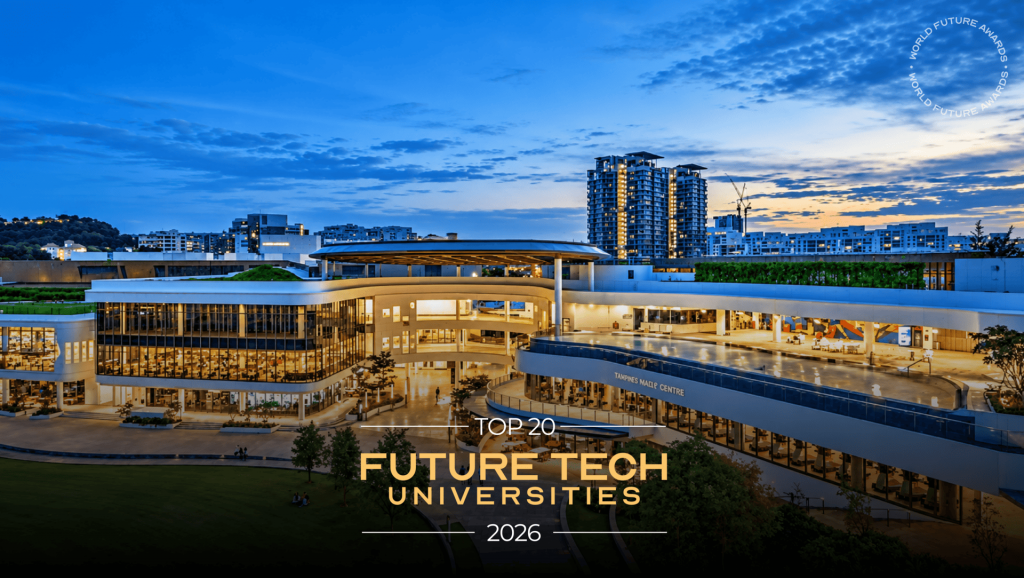
NUS shares #4 and is the highest-ranked Asian university in this QS table. Singapore’s position as a hub for digital infrastructure, AI, fintech and advanced manufacturing gives NUS a powerful environment for connecting research, talent and industry.
5. University of Oxford

Why it stands out: frontier computing connected to fundamental science.

Oxford shares #4. Its future-tech relevance extends beyond computer science into AI, computational science, medicine, biology and mathematics. Oxford also shows why rankings should be read as benchmarks rather than absolute truth: THE’s 2026 Computer Science ranking places Oxford first.

6. University of California, Berkeley

Why it stands out: research power with a direct line into the Bay Area innovation economy.

Berkeley rises to #6 from #8. Its strengths in AI, data science, robotics, systems and computing benefit from close proximity to one of the world’s deepest technology ecosystems. It is a strong example of how academic research and commercialization can reinforce each other.

7. Harvard University

Why it stands out: computing applied far beyond computing.

Harvard remains #7. Its future-tech significance comes from connecting computer science with medicine, biology, neuroscience, economics and other disciplines. As technology increasingly becomes infrastructure for science and society, this breadth becomes a major advantage.

8. University of Cambridge

Why it stands out: fundamental science feeding the next technology pipeline.

Cambridge moves to #8. Its combination of computer science, mathematics, engineering and physical sciences provides a strong foundation for technologies that depend on deeper scientific breakthroughs. It represents the research-intensive side of future technology.

9. Nanyang Technological University (NTU)

Why it stands out: engineering and emerging technology at Asian scale.

NTU ranks #9. Its strengths across engineering, computing, AI and robotics are reinforced by Singapore’s wider manufacturing and technology ecosystem. Its position also reflects the growing importance of Asia as a centre of advanced research and technology development.
10. ETH Zurich

Why it stands out: rigorous engineering for the physical future.

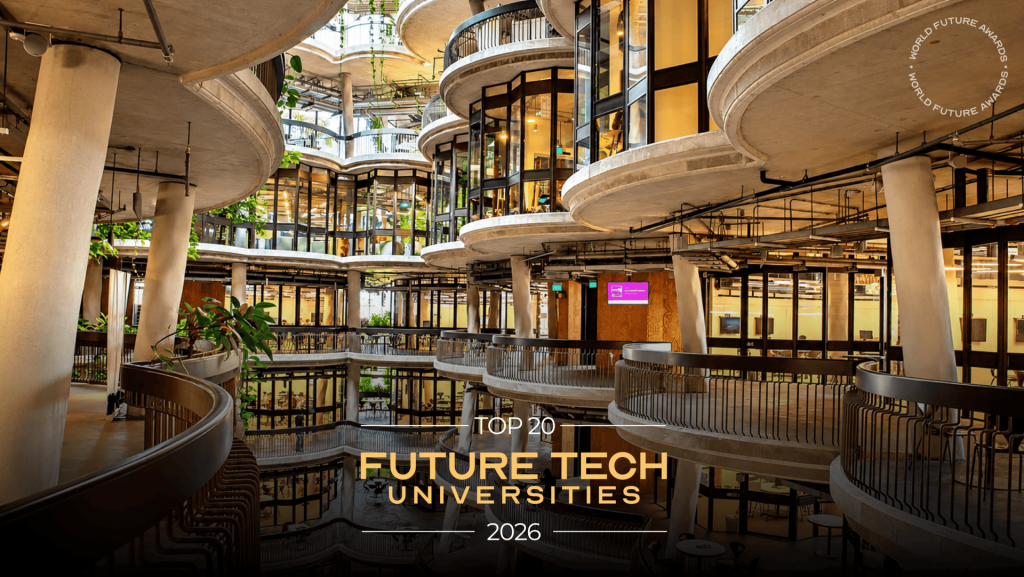
ETH Zurich remains in the global top 10. Its strengths in robotics, AI, computer science and advanced engineering are particularly relevant as software increasingly interacts with machines, infrastructure, materials and autonomous systems.

11. Tsinghua University

Why it stands out: one of China’s major research engines for advanced technology.

Tsinghua holds #11. Its technology ecosystem spans AI, computer science, engineering and automation. Its continued presence near the top of the global table reflects the increasing weight of Chinese research institutions in frontier technology.

12. Imperial College London

Why it stands out: one of the ranking’s strongest upward movers.

Imperial jumps from #22 to #12 in QS 2026. Its science-and-engineering identity creates a strong platform for AI, computing, robotics, data science and technology applied to healthcare, energy and physical infrastructure.

13. University of Toronto

Why it stands out: a major North American centre for AI research.

Toronto ranks #13. Its machine-learning and computer-science ecosystem has helped make the city an important global AI hub. The university illustrates how strong institutions can be amplified by a wider national research and innovation ecosystem.

14. Princeton University

Why it stands out: research depth at the intersection of computing and fundamental science.

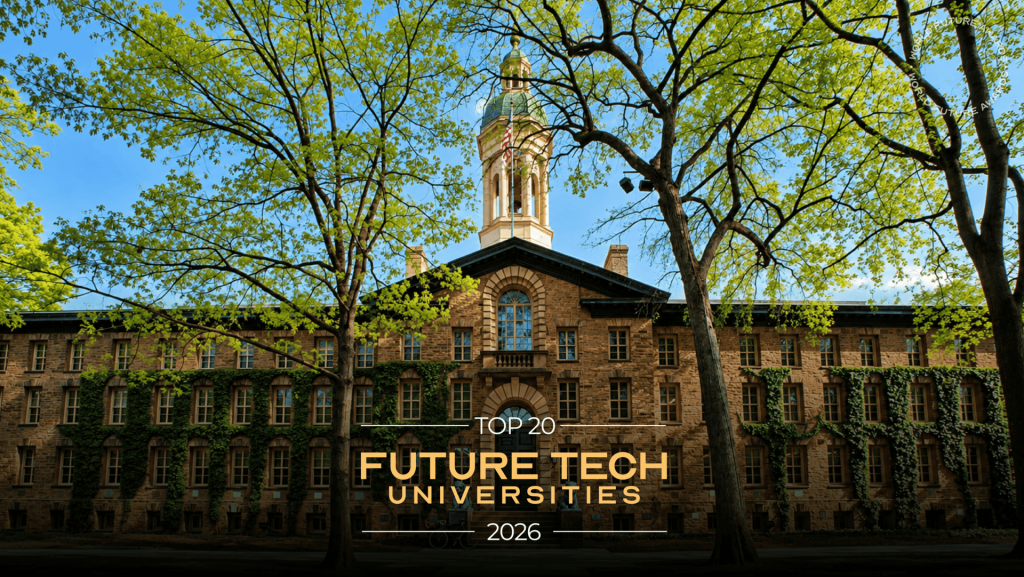
Princeton ranks #14. Its future-tech relevance comes from deep work across computer science, mathematics, physics and engineering. For difficult frontiers such as quantum technologies and theoretical computing, that research depth matters.
15. EPFL

Why it stands out: a European technology laboratory linking research and entrepreneurship.

EPFL holds #15. Its strengths in computer science, AI, robotics and engineering are supported by Switzerland’s innovation ecosystem. It is a strong example of Europe’s model of combining technical research with technology transfer and startup creation.
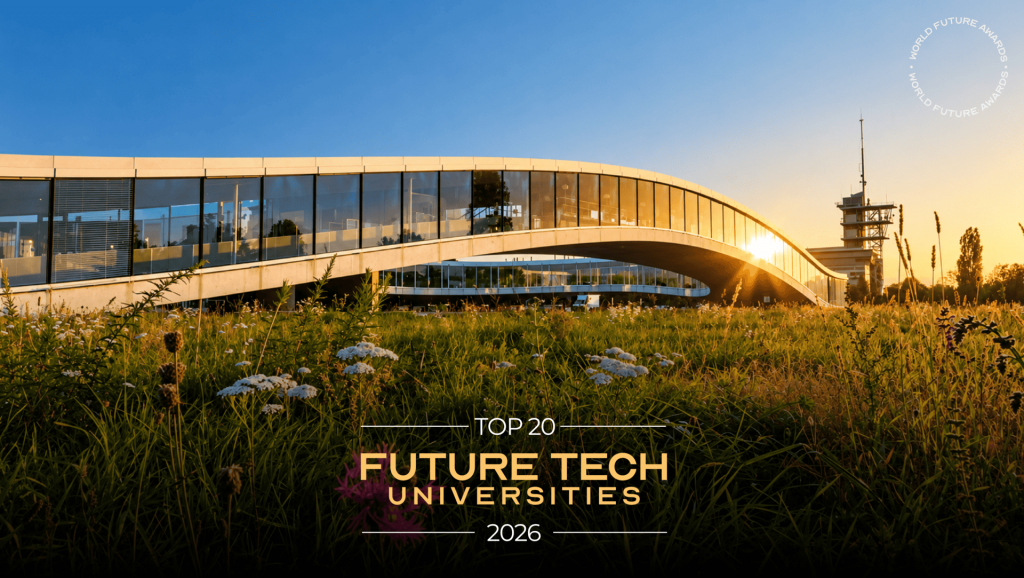
16. Peking University

Why it stands out: elite science within a rapidly expanding technology ecosystem.

Peking University ranks #16. Its strengths across computer science, AI, mathematics and interdisciplinary science add to China’s growing research capacity. Together with Tsinghua, it demonstrates how global technology leadership is becoming more geographically distributed.

17. Cornell University

Why it stands out: advanced computing with a strong entrepreneurial dimension.

Cornell ranks #17. Its research spans AI, machine learning, robotics and systems, while its wider technology and startup connections provide routes from academic work toward practical innovation.

18. Institute of Science Tokyo

Why it stands out: a remarkable rise into the global top 20.

The Institute of Science Tokyo ranks #18. Its 2026 position is especially notable because the institution was formed in 2024 through the merger of Tokyo Institute of Technology and Tokyo Medical and Dental University. Its combination of engineering, computing and science creates a distinctive platform for future technology.
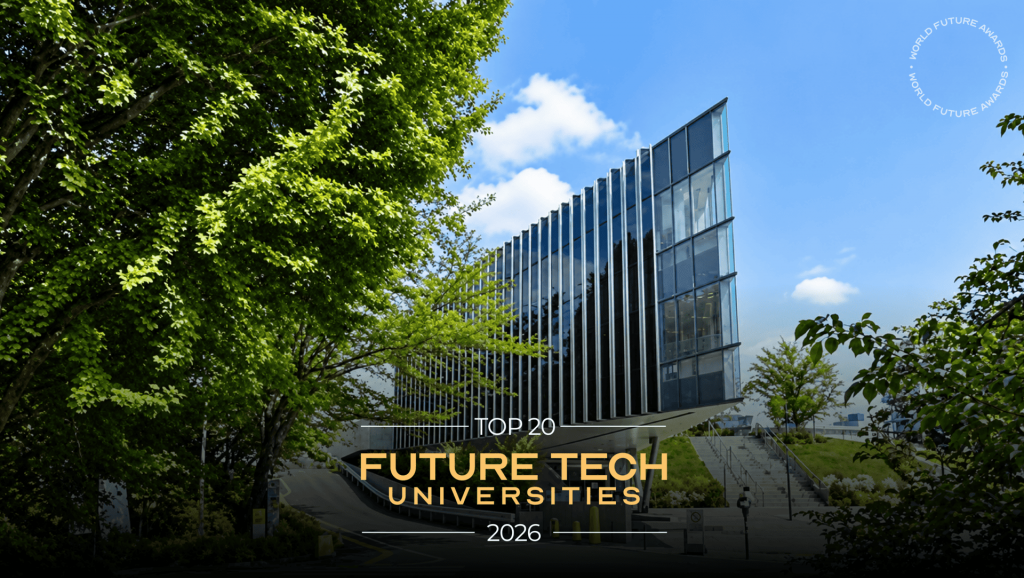
19. UCLA — University of California, Los Angeles

Why it stands out: technology connected to a diverse real-world innovation environment.

UCLA ranks #19. Its research in AI, computing, data science and robotics benefits from a broader ecosystem spanning healthcare, aerospace, entertainment and technology. That diversity creates opportunities for technology to cross traditional industry boundaries.
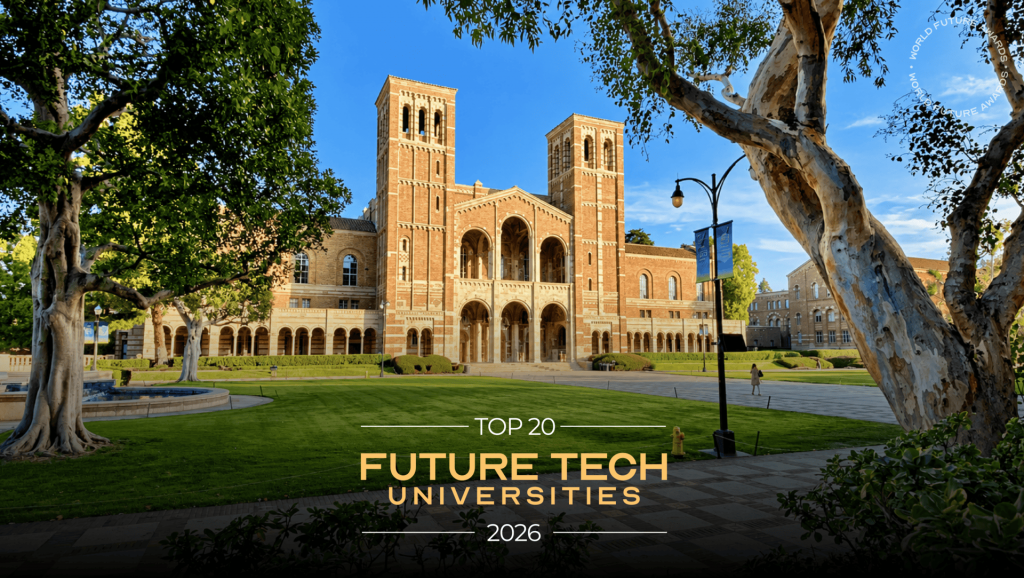
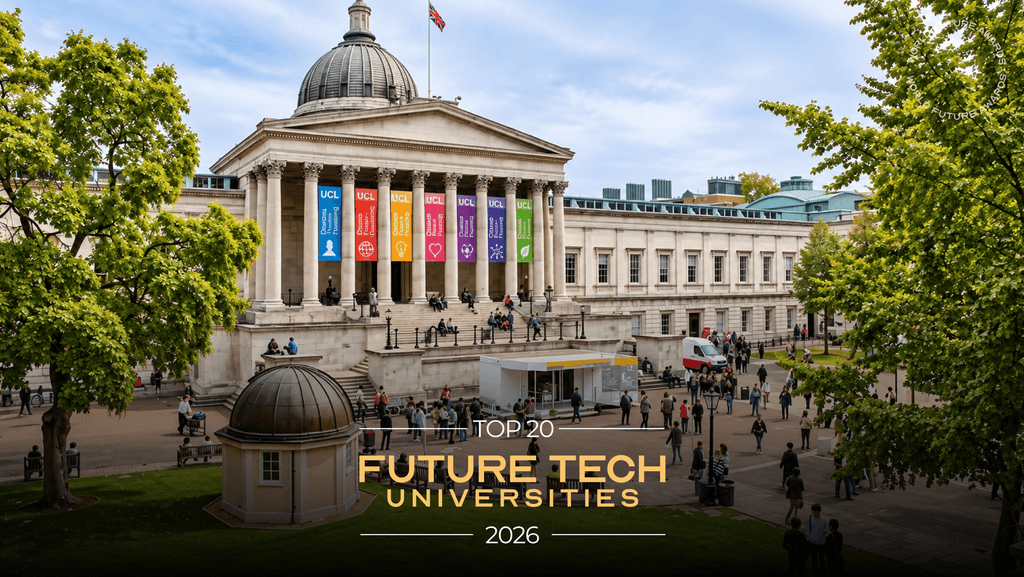
20. University College London (UCL)

Why it stands out: advanced technology embedded in a global city.

UCL completes the top 20. Its London location connects research with technology, finance, healthcare, government and creative industries. It is a useful example of how the environment surrounding a university can shape the way research meets society.
What the 2026 ranking tells us

The US still dominates the top tier. Ten of the 20 positions are held by US universities, including MIT, Stanford and Carnegie Mellon at the top.

Asia is becoming impossible to ignore. NUS and NTU place in the top 10, while Tsinghua, Peking University and the Institute of Science Tokyo reinforce the growing weight of Asian research ecosystems.

AI is changing the meaning of technical excellence. The strongest institutions increasingly combine AI with robotics, data science, cybersecurity, biology, engineering and human-computer interaction.

Interdisciplinary research is becoming a competitive advantage. The future-tech university is increasingly a network connecting computing with medicine, materials, energy, mathematics and the physical world.

Universities are becoming innovation ecosystems. The most influential institutions increasingly provide a pathway from research to prototype, startup, investment and global deployment.

The bigger picture

A university ranking is useful, but it is not the whole story. The more important question for the next decade is which institutions are creating the people, research and technologies that will define what comes next.

MIT, Stanford and Carnegie Mellon continue to set the pace. Oxford, Cambridge, ETH Zurich and Imperial demonstrate Europe’s research strength. NUS and NTU highlight Asia’s accelerating rise, while Tsinghua, Peking and the Institute of Science Tokyo show how technology leadership is becoming increasingly global.

The future of technology will not be created in one country, one laboratory or one university. It will be built by a global network of researchers, engineers, entrepreneurs and students capable of turning ideas into technologies that change everyday life.

Primary Sources

QS World University Rankings by Subject 2026 — Computer Science & Information Systems.

https://www.topuniversities.com/university-subject-rankings/computer-science-information-systems

QS World University Rankings by Subject 2026 results.

https://www.qs.com/insights/qs-world-university-ranking-subject

Times Higher Education — Computer Science 2026.

https://www.timeshighereducation.com/world-university-rankings/2026/subject-ranking/computer-science
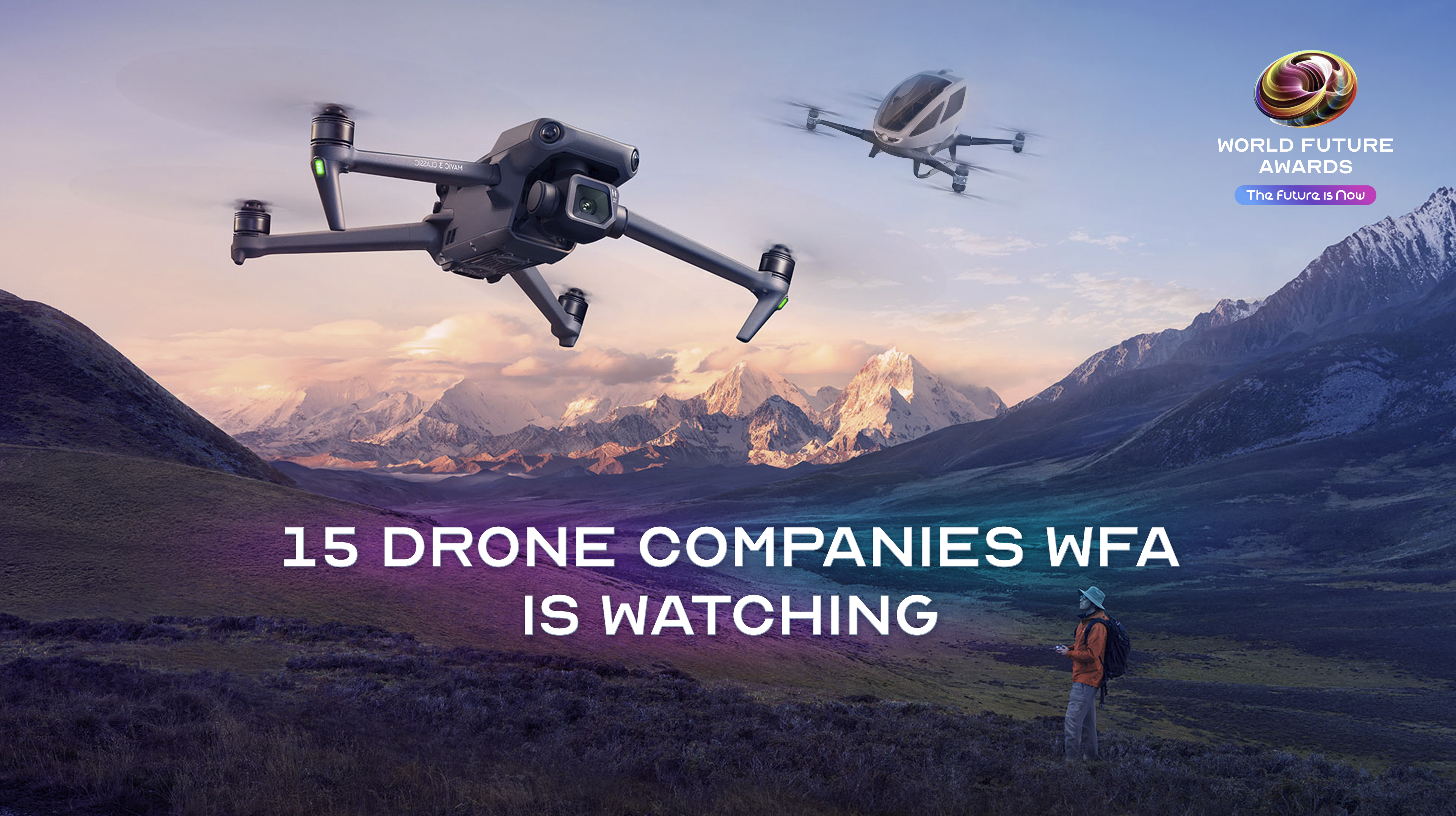
15 Drone Companies WFA Is Watching

The global drone industry is no longer defined by hardware alone. Today, the sector represents a convergence of autonomy, software, secure communications, infrastructure intelligence, public safety, emergency response, and sovereign manufacturing. Drones are rapidly evolving into essential tools for governments, enterprises, and critical industries worldwide.

In the United States alone, the FAA projects the commercial drone fleet to exceed one million aircraft in 2025, while remote-pilot certifications continue to expand. This growth reflects how drone technology is moving deeper into regulated, professional, and institutional use cases across infrastructure, logistics, energy, agriculture, mapping, and security operations.

At the same time, the drone market is entering a new era in which trust, compliance, resilience, and supply-chain confidence matter as much as flight performance itself. The Special Competitive Studies Project reported that DJI products still account for approximately 70% to 90% of drones used across U.S. applications, while Reuters noted in January 2026 that Washington withdrew one proposed restriction plan on Chinese-made drones even as separate FCC restrictions on new foreign-made models remained in place.

This dynamic highlights one of the most important strategic questions shaping the future of autonomous systems today: who will define the next generation of trusted aerial systems?

This WFA watchlist is not a ranking. It is a research-led selection of drone companies shaping the future of commercial drones, autonomous systems, public safety, infrastructure intelligence, resilient deployment models, and sovereign technological capability.

1. Skydio 🇺🇸

Skydio stands out as one of the strongest autonomy-first players in the Western market. Its positioning across public safety, inspection, and remote operations — combined with its selection under a NATO procurement framework in 2025 — makes it a key company to watch in the rise of trusted autonomous systems. 

2. Parrot 🇫🇷

Parrot is highly relevant to the European trusted-drone conversation. Its ANAFI USA line is positioned as Blue sUAS-approved and NDAA/TAA-compliant, while the broader Parrot portfolio shows how a European player can compete on secure architecture, public-safety relevance, and sovereign positioning. 

3. Quantum Systems 🇩🇪

Quantum Systems is one of the most interesting European names because it spans both geospatial and security-oriented aerial intelligence. Its Trinity Pro platform targets professional surveying and mapping, while Vector AI reflects the company’s wider ambition in automated aerial intelligence and resilient field deployment. 

4. Delair 🇫🇷

Delair deserves attention for its focus on professional data capture, digital twins, infrastructure monitoring, corridor mapping, and security applications. It represents the industrial face of the drone sector: less consumer-facing, but deeply relevant to infrastructure intelligence, asset management, and resilient operations. 

5. ACSL 🇯🇵

ACSL is a meaningful sovereign-capability story in Asia. The company emphasizes made-in-Japan drones and secure deployment, and it has highlighted government adoption in Japan as it positions itself around domestic production, economic security, and non-Chinese alternatives. 

6. ideaForge 🇮🇳

ideaForge is one of the clearest companies to watch in India’s rising drone ecosystem. Reuters has described it as a manufacturer of VTOL and fixed-wing hybrid UAVs for security and surveillance, and it sits directly within a broader Indian push to expand domestic drone manufacturing and reduce dependence on imported components. 

7. AeroVironment 🇺🇸

AeroVironment remains one of the most consequential U.S. unmanned-systems companies. The company says it has delivered more than 50,000 autonomous systems into high-intensity operational environments, and its portfolio now spans UAS, counter-UAS, robotics, and mission systems — making it central to any serious conversation about resilient aerial capability. 

8. Shield AI 🇺🇸

Shield AI is especially important because it combines aerial platforms with autonomy software. Its V-BAT is positioned for GNSS-denied and communications-contested environments, and the company has recently highlighted operational progress with the Royal Netherlands Navy — a useful signal of how trusted autonomy is moving from concept to fielded capability. 

9. Anduril Industries 🇺🇸

Anduril is not simply building drones; it is building networked autonomous systems. With products spanning counter-UAS, autonomous air vehicles, and software-defined defense architecture, the company is helping define how aerial systems will be integrated into broader sensing, command, and protection ecosystems. 

10. General Atomics Aeronautical Systems 🇺🇸

General Atomics remains a benchmark in the long-endurance category. The MQ-9B SkyGuardian is designed for 40+ hours of flight and for safe integration into civil airspace, which makes the company especially relevant to the future overlap between strategic aerial systems, maritime awareness, border security, and civil-authority applications. 

11. Baykar 🇹🇷

Baykar has become one of the world’s most important exporters of large unmanned aircraft. In January 2026, the company said it had export contracts with 36 countries for Bayraktar TB2 and 16 for AKINCI, underscoring its growing influence in sovereign capability, industrial scale, and international market reach. 

12. Teledyne FLIR Defense 🇺🇸 🇨🇦

Teledyne FLIR Defense is a strong name in mission-focused unmanned systems, especially through the SkyRanger R70. The platform is marketed with open architecture, advanced autonomy, AI-enabled capability, and drone-in-a-box concepts that point toward a future of persistent, automated situational awareness for both government and non-military uses. 

13. Skyeton 🇺🇦

Skyeton is one of the clearest examples of a Ukrainian company with both operational credibility and broader dual-use relevance. The company says Raybird offers 28+ hours of endurance and is suitable not only for long-range aerial intelligence, but also for disaster response, humanitarian operations, and other civilian applications where resilient airborne awareness matters.

14. DJI 🇨🇳

DJI remains the most structurally important commercial drone company in the world. Its enterprise business spans public safety, geospatial applications, inspection, agriculture, and industrial operations, making it one of the clearest examples of drones evolving into practical tools for protecting communities, monitoring assets, and improving decision-making in the field.  

15. Autel Robotics 🇨🇳

Autel remains an important company in the global enterprise segment, with solutions positioned around security, inspection, surveying, and mapping. As the market continues to professionalize, Autel is one of the manufacturers worth watching for how Chinese drone makers adapt to a more trust-sensitive, compliance-focused global environment. 

Conclusion

From World Future Award’s perspective, the most important drone companies are no longer defined only by airframes or hardware performance. The future of the drone industry will be shaped by companies building trusted autonomy, secure architectures, infrastructure intelligence, resilient deployment models, and sovereign technological capability.

That is the lens through which the next generation of drone industry leaders should be understood — and the lens through which the future of trusted aerial systems is likely to emerge.

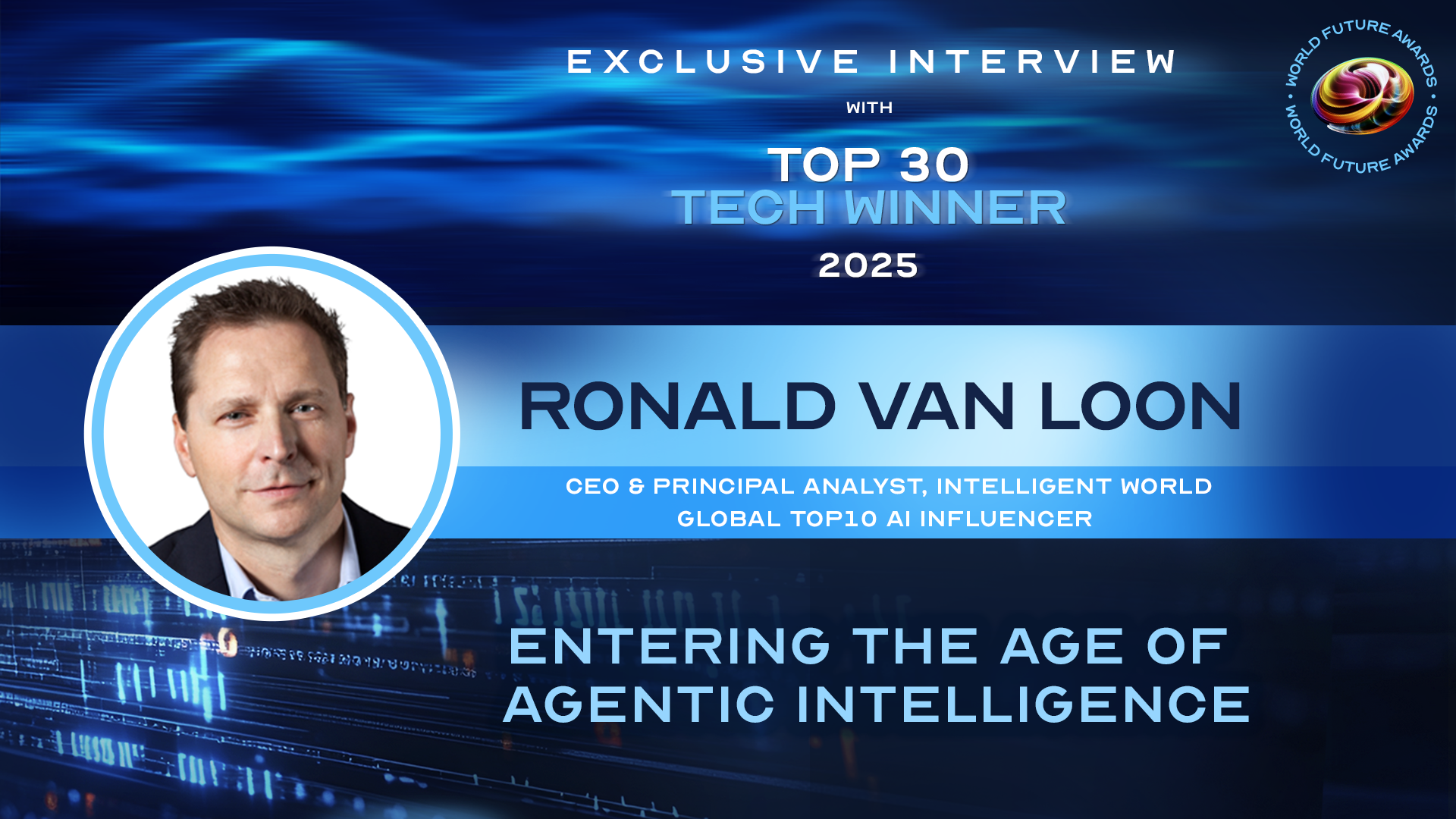
World Future Awards Exclusive: Interview with Ronald van Loon — Top 30 Tech Voices 2025

World Future Awards is proud to present an exclusive conversation with Ronald van Loon, one of the official Top 30 Tech Voices of 2025, recognized for his significant contribution to the evolution of enterprise AI strategy, executive education, and thought leadership at the intersection of GenAI, Agentic AI, and data-driven transformation.

Ronald serves as CEO & Principal Analyst of Intelligent World, a global platform helping business leaders navigate emerging intelligence technologies and make informed AI adoption decisions with both confidence and responsibility. His work spans strategic research, corporate advisory, content leadership, and speaking engagements that have shaped board-level discourse around AI readiness, digital governance, and the future of work.

At a time when enterprises are transitioning from experimentation to autonomous, agent-driven operations, Ronald’s voice stands out for its clarity, pragmatism, and future-oriented vision. As we move into 2026, his insights offer a critical lens into how organizations can harness next-generation AI technologies — not only for efficiency, but for competitive advantage and long-term value creation.

In this interview, we explore Ronald’s perspectives on agentic intelligence, risk frameworks, cross-border regulation, and the human-AI frontier, as well as the skills and leadership mindsets that will define global success in the decade ahead.

Entering the Age of Agentic Intelligence

WFA: As we step into 2026, enterprises are exploring agentic and autonomous AI systems more seriously. What strategic shifts will define this new phase of adoption?

Ronald van Loon: We are moving from an era of experimentation to a fundamental redesign of how organizations make decisions. Agentic AI will not simply support human activity – it will increasingly operate parts of the business autonomously. This requires companies to rethink strategy, governance, and accountability from the ground up.

WFA: Where do you see the strongest real-world use cases emerging first?

Ronald van Loon: The most immediate impact will be in environments that are data-rich, time-sensitive, and decision-intensive – such as cybersecurity, supply chain operations, financial services, and customer engagement.


From Experimentation to Enterprise-Wide Deployment

WFA: What differentiates organizations that successfully scaled AI from those still stuck in pilots?

Ronald van Loon: Successful organizations treat AI as a core business capability rather than an experimental project. They invest early in data quality, governance structures, and leadership alignment.

WFA: What metrics should executives track beyond productivity?

Ronald van Loon: Leaders should focus on decision quality, risk reduction, speed of response, and measurable impact on customer outcomes and revenue growth.


Risk, Governance & Trustworthy Decision-Making

WFA: When AI systems begin making decisions with legal and financial impact, where should responsibility sit?

Ronald van Loon: Responsibility must always remain with humans. While AI can act, recommend, and automate, accountability must be clearly assigned at the executive level.

WFA: How do you see governance frameworks evolving?

Ronald van Loon: Governance is becoming continuous rather than static. Instead of being confined to policy documents, it will operate as a living system that actively monitors models, data integrity, and decision outcomes in real time.


The Global Regulation Landscape

WFA: How can companies stay competitive amid growing AI regulation?

Ronald van Loon: By integrating compliance into their AI design from the outset, rather than treating it as an afterthought.

WFA: Which regulatory approaches are most innovation-friendly today?

Ronald van Loon: Risk-based frameworks that focus on how AI is applied – rather than the technology itself – are the most effective.


People, Skills & AI-Enabled Leadership

WFA: What new leadership competencies are emerging?

Ronald van Loon: Leaders must be AI-literate –  able to ask the right strategic questions while balancing speed, ethics, and accountability.

WFA: How should education and corporate learning evolve? 

Ronald van Loon: Learning must become continuous. The skills required to work with AI will keep changing, and organizations need to change with them.


Business transformation through AI

WFA: Can you share an example where AI transformed a business model?

Ronald van Loon: We are increasingly seeing companies move beyond traditional product sales toward outcome-based models powered by AI. Instead of simply providing tools or services, organizations are using AI-driven analytics, prediction, and automation to deliver measurable business results — such as improved efficiency, reduced risk, or enhanced customer value. For example, in industries like manufacturing, logistics, and financial services, AI is enabling providers to offer performance-based solutions rather than standalone products, creating new recurring revenue streams based on insights and continuous optimization.

WFA: What should late adopters learn from this?

Ronald van Loon: Late adopters should begin with a clear business strategy rather than focusing solely on technology. The key is to define the outcomes they want to achieve — whether that is growth, resilience, or customer impact — and then design their AI approach accordingly. Simply copying others or rushing to implement tools without a structured vision will not create sustainable value. Successful adoption requires alignment between leadership, operations, and long-term objectives.


HUMAN VALUE IN AN AI WORLD

WFA: As AI becomes more autonomous, how is human value shifting?

Ronald van Loon: Human value is shifting toward judgment, creativity, and ethical responsibility — areas where context, values, and accountability matter most and cannot be fully automated.

WFA: What belief about AI will shape this decade?

Ronald van Loon: AI amplifies leadership: strong leaders will scale their impact with AI, while weak leadership will be exposed more quickly.


LOOKING TOWARD 2030

WFA: Define effective AI leadership in one sentence for 2026.

Ronald van Loon: Effective AI leadership means scaling intelligence responsibly while ensuring humans remain accountable for outcomes.

WFA: Beyond AI, what excites you most as we approach 2030?

Ronald van Loon: Beyond AI itself, I am particularly excited about the convergence of AI, digital networks, and national digital sovereignty. This interplay will shape how intelligent systems are built, governed, and secured across regions. I expect to see the emergence of more resilient, locally governed digital ecosystems that balance global innovation with regional values, regulations, and strategic autonomy. This shift has the potential to redefine not only technology, but also economic competitiveness, trust in digital infrastructure, and the way nations collaborate in an increasingly intelligent world.

WFA: Ronald, thank you for sharing your valuable insights with World Future Awards. We appreciate your time, thought leadership, and contribution to advancing responsible and strategic AI adoption. Your perspectives enrich our global community, and we look forward to continuing this important dialogue with you.

Next Generation Companies 2025

Shaping the Next Era of Innovation

World Future Awards is proud to unveil the 2025 edition of the Top 100 Next Generation Companies — a carefully curated group of organizations transforming industries and accelerating global progress.
Each company on this year’s list distinguishes itself through its breakthrough thinking, future-driven solutions, and meaningful impact on society, technology, and the economy.
From advanced AI and frontier technologies to sustainability, health, design, and next-gen digital experiences, these pioneers are shaping what the world of tomorrow will look like.
Discover the full list and explore the companies shaping the future today.

How the World Future Awards Work: A Step-by-Step Guide

Innovation shapes the future, but recognizing it requires a process that’s both precise and transparent. The World Future Awards (WFA) has designed a clear pathway to spotlight pioneering products and services that have the potential to make a real difference. From initial nominations to tailored promotion for winners, the process is structured into four key stages: Nominations, Winner Selection, Winners Announcement, and Winner Promotion.

Nominations: Finding the Best Innovators

The first stage of the WFA process focuses on identifying standout products and services that can positively impact society. Nominations are either made by the WFA selection board or submitted directly by companies through the “Apply Now” form. The awards team conducts extensive industry research to identify innovations with significant potential.

Actionable Insight: Companies aiming for recognition should ensure their applications clearly demonstrate the societal benefits and practical applications of their innovation.

Winner Selection: A Rigorous Evaluation

Once nominations are submitted, WFA’s research team evaluates each candidate using a combination of nominee-provided information and publicly available data. Sources include press coverage, social media, market research reports, expert commentary, and online databases.

Winners Announcement: Recognition in the Digital Space

WFA winners are revealed online through the official WFA website, social media channels, and media partner platforms. The awards program has chosen a fully digital approach, foregoing traditional offline ceremonies. This ensures that announcements are widely accessible and can reach a global audience quickly.

Actionable Insight: Companies should plan their own digital campaigns around the announcement to maximize visibility and capitalize on the attention generated by WFA recognition.

Winner Promotion: Amplifying Success

Winning the WFA comes with tailored advertising and promotional support, depending on the chosen promotion package. The WFA team assists with marketing materials, press releases, and product or service reviews across WFA platforms and leading specialist media. Winners also gain automatic eligibility to participate in the following year’s nomination cycle, creating an ongoing cycle of visibility and recognition.

Actionable Insight: Collaborate closely with PR experts to leverage promotional opportunities, ensuring your innovation reaches the right audience and gains maximum credibility.

Research and Selection Method: Transparency Matters

WFA emphasizes transparency and credibility by conducting online market research using publicly available data. Their teams assess innovations against industry-specific criteria and publicly verifiable information. This ensures that every winner is chosen based on clear, factual evidence rather than subjective opinions.

Actionable Insight: Maintain accurate, up-to-date public records and media coverage of your innovation, as these will be critical in the WFA’s evaluation process.

Selection Criteria

Each winner is determined through thorough category- and region-based research using the following criteria:

  • Emotional Quotient (EQ): Ability of a product or service to bring satisfaction or pleasure along with practical benefits.
  • Innovation: Solutions that not only address existing problems but open up new fields and markets. Consideration is given to the entire innovation process, from concept to implementation.
  • Value: Evidence of uniqueness, advantages over alternatives, and economic profitability.
  • Timeliness: The product or service should be no more than five years old and having proven it meets evaluation criteria.
  • Delivery: Effective communication of innovation, consumer engagement, market introduction, and validation of its value proposition.
  • Quality: Potential to improve the quality of life for individuals and society over the long term.
  • Impact: Contribution to society and the environment, and the potential to inspire new ideas or products.

The WFA spotlights the ideas that could transform tomorrow. By navigating its structured process, companies have the chance to turn breakthrough concepts into global recognition, amplifying their impact and leaving a lasting mark on the future.

Apply for recognition today and amplify your impact on tomorrow: https://worldfutureawards.com/apply-now/

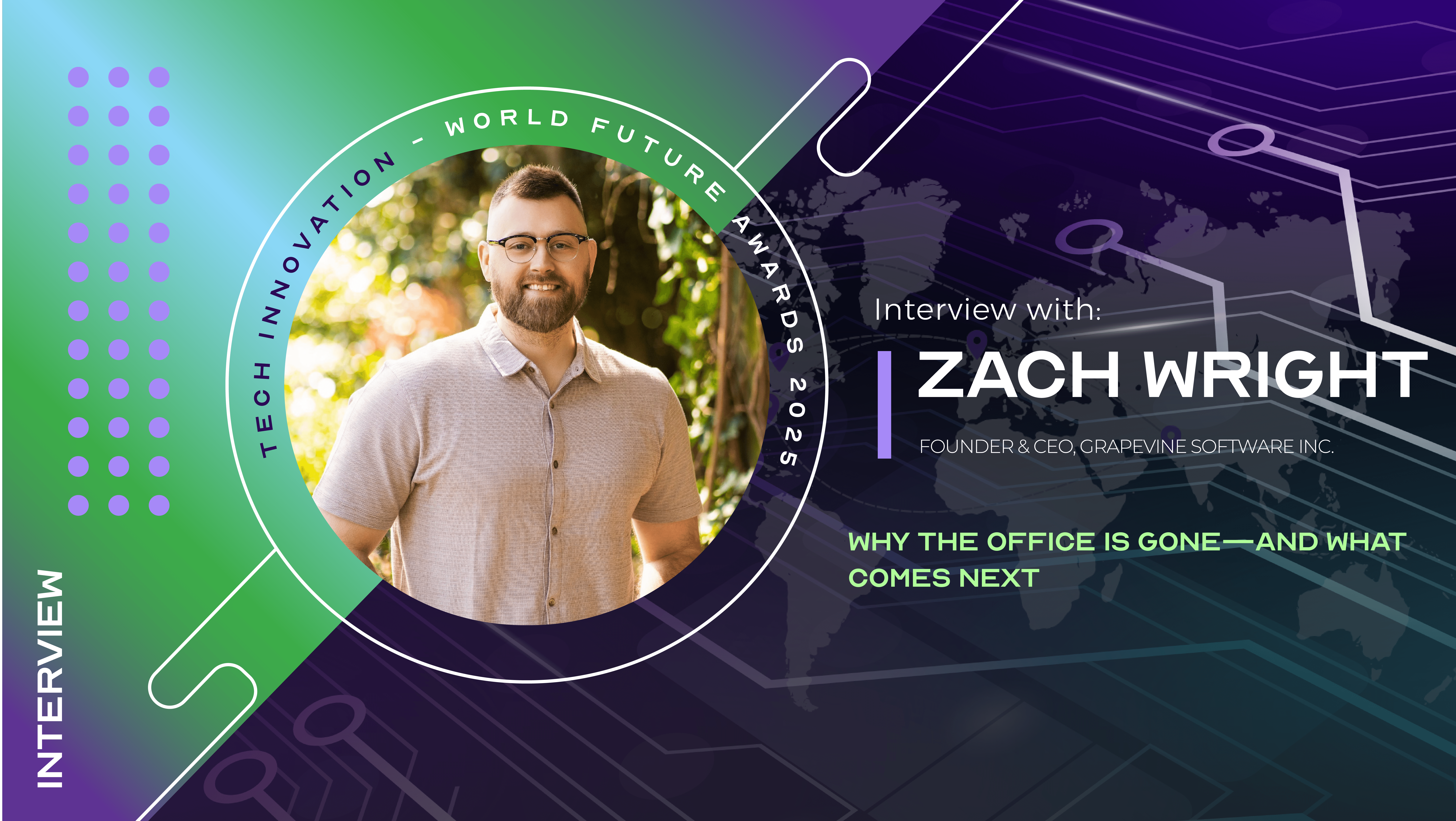
Exclusive Interview: Reimagining Leadership and Workflows with Zachary Wright

Zachary Wright is redefining the future of work by challenging the very foundations of how teams operate. As the founder of Grapevine, a Virtual HQ and soon-to-be Virtual Operating System for distributed teams, he’s creating systems that help organizations work smarter, stay aligned, and collaborate effortlessly across time zones. His mission is rooted in lived experience, from hands-on labor to high-level strategy, and driven by a relentless pursuit of one question: How do we make work actually work—for everyone?

With a background that spans factory floors, operating rooms, corporate boardrooms, and fully remote leadership, Zachary has seen firsthand the inefficiencies, misalignments, and cultural gaps that plague modern organizations. Now, he’s combining organizational psychology, operational strategy, and technology to design work systems that unite teams across time zones, streamline communication, and build a culture of alignment without borders.

Our interview will explore Zachary Wright’s vision for the future of work and leadership, including how distributed teams, asynchronous operations, and modern tools can transform productivity, collaboration, and organizational culture. We’ll also dive into his experiences building Grapevine and the lessons learned from rethinking how work truly works.

Questions:

WFA: If you could redesign the workplace from the ground up, what would it look like?

ZW: The workplace of the future revolves around a single digital hub—a virtual office platform where location and time zones no longer dictate alignment. Offices will still exist, but their purpose shifts: not as the default center of work, but as spaces for optional “onsites”—moments of connection, onboarding, or collaboration. The real center will be digital-first, designed for how global teams work today: async and sync, knowledge accessible on demand, and communication flowing in one trusted space.

WFA: You often say “the office as we knew it is gone.” What do leaders still misunderstand about this shift?

ZW: Many leaders still think in terms of proximity. But teams today aren’t just spread across states or coastlines—they’re working across continents, often with only 1–2 hours of overlap. The old office model simply doesn’t work in that reality. Leaders need to stop trying to retrofit a 9-to-5, single-time-zone system into a global workplace. Instead, they should design around async collaboration, self-serve knowledge, and systems that let teams progress without waiting on one another. Otherwise, they’ll lose not only productivity, but also their ability to attract and retain top talent.

WFA: What was the “aha” moment that inspired you to build Grapevine?

ZW: Two things stood out in my career. First, every department had its own tools, creating silos of knowledge. Teams wasted time searching for information—or came to me because I happened to know where it lived. Second, even in small remote companies, people didn’t know each other’s skills or past experience. Huge opportunities were being missed simply because the system didn’t make those connections visible. That’s when I realized we needed a single platform where people, communication, and collaboration all lived inside the actual flow of work—not scattered across apps.

WFA: How do you see AI shaping the future of distributed teams?

ZW: AI is overhyped in some ways, but its potential is real. The key is trust—accuracy, data training, and guidelines for use. I imagine every employee having an AI assistant that helps them do their job faster, more efficiently, and without burnout. But AI must be used carefully: as a tool to extend human creativity and leadership, not replace it. Leaders should focus on training people to use AI responsibly, while making sure it enhances—not diminishes—our cognitive abilities and human connections.

WFA: Many teams confuse “busyness” with progress. How can leaders create alignment without micromanaging?

ZW: Start with clarity. I recommend an internal audit: define the current state, the desired future, and the gaps in between. Then turn those gaps into goals and track them through frameworks like OKRs. The key is making goals the main character of the company’s story—woven into 1:1s, monthly check-ins, and all-hands. When employees co-create their goals, micromanagement fades, because they’re already invested. Alignment isn’t about constant oversight—it’s about focus and follow-through.

WFA: Grapevine emphasizes the “overlooked middle” and the “doers.” Why are they so critical?

ZW: The middle operators—Ops, Internal Comms, Chiefs of Staff—are the glue of organizations. When they do their jobs well, nobody notices. When they don’t, everyone feels it. In distributed environments, their role is more important than ever. Grapevine was designed with them in mind: to break through silos, surface their work, and give them the tools to make organizations run smoothly. Ultimately, they’re the ones who will decide whether the future of work moves forward—or reverts back.

WFA: Async work requires trust and clarity. What leadership shifts make it thrive?

ZW: The biggest shift is human. Leaders need to let go of the old “manager vs. employee” dynamic. Trust comes from knowing people—not just their output, but who they are. As leaders, we should bulldoze obstacles for our teams, not micromanage their steps. From there, clarity comes through shared goals, centralized resources, and reducing unnecessary meetings. Async isn’t about working less together—it’s about freeing people for deep work while staying aligned on the North Star.

WFA: Looking 10 years ahead, what’s your boldest prediction for work and leadership?

ZW: Work and life will fully blend—but in a positive way. Augmented reality, voice, and AI agents will allow us to work seamlessly anywhere, without screens or keyboards. Leadership will shift toward mentorship, critical thinking, and teaching people how to leverage these tools creatively. Grapevine will evolve with that future—moving from today’s 2D platform into voice- and agent-based systems where work flows as naturally as conversation.

Zachary Wright is helping to design the workplace of tomorrow: connected, flexible, and human at its core. For more on his journey, visit his LinkedIn profile.

10 Timeless Entrepreneurial Lessons for Long-Term Success

The entrepreneurial journey is often filled with highs and lows, but there are key lessons that can guide any aspiring founder toward success. Whether you’re just starting out or looking to scale, these insights will help you navigate the road ahead. The World Future Awards presents 10 essential lessons every entrepreneur should know to achieve success:

1. Keep Pushing Forward

Every entrepreneur faces rejection, setbacks, and failure. But the most successful ones don’t give up. They persist through the tough times, learn from their mistakes, and continue pushing forward. The path to success is rarely a straight line, but with persistence, you can weather the storms and eventually reach your goals.

Takeaway: Don’t let failure discourage you. Stay committed to your vision, and success will follow.

2. Innovate or Stagnate

To stand out and thrive, you must bring something unique to the table. Successful entrepreneurs often introduce new ideas, challenge the status quo, and find innovative solutions to existing problems. This mindset of constant innovation allows them to stay ahead of the curve and differentiate themselves from competitors.

Takeaway: Always strive to innovate. Look for ways to solve problems differently and disrupt the norm.

3. Passion Powers Progress

Entrepreneurship is demanding, requiring long hours, tough decisions, and constant problem-solving. Without passion for what you’re doing, it’s easy to lose motivation during difficult times. Passion fuels perseverance and helps you stay focused on your mission, even when the road gets tough.

Takeaway: Let your passion drive you. When you love what you do, it makes the hard work worth it.

“Stop chasing money and start chasing the passion.” – Tony Hsieh

4. Take the Leap

Risk is inherent in entrepreneurship, but the right kind of risk—calculated and thoughtful—can lead to great rewards. Entrepreneurs who are willing to step outside of their comfort zone and make bold decisions often find success in areas others might shy away from. Taking risks doesn’t mean being reckless, but rather being willing to make informed choices that could lead to growth.

Takeaway: Don’t fear risk. Take calculated chances to drive your business forward and open doors to new opportunities.

5. Tech is Your Ally

The modern entrepreneur has access to a wide array of tools and technologies that can streamline operations, enhance productivity, and improve customer experiences. By leveraging technology effectively, entrepreneurs can scale their businesses more efficiently, reach a larger audience, and stay competitive in a fast-changing world.

Takeaway: Use technology to your advantage. It can help you work smarter, not harder.

6. Teamwork Makes the Dream Work

While the entrepreneurial journey may begin solo, it’s impossible to go far without the right team. Surround yourself with talented, motivated individuals who complement your skills. A strong team helps share the load, brings fresh ideas to the table, and enables you to solve complex problems more effectively.

Takeaway: Surround yourself with people who share your vision and bring expertise to the table. A strong team is essential for growth.

“Great things in business are never done by one person. They’re done by a team of people.” – Steve Jobs

7. Adapt and Thrive

The ability to pivot and adapt is a critical skill for any entrepreneur. The business landscape changes constantly, and being adaptable allows you to respond to new challenges, market shifts, and unexpected opportunities. Flexibility is key to overcoming obstacles and finding success in uncertain times.

Takeaway: Stay flexible. Embrace change and remain open to new ideas and approaches.

8. Put Customers First

Building a business that thrives means understanding your customers deeply. Successful entrepreneurs listen to their customers, gather feedback, and make sure they are delivering products or services that truly meet their needs. A customer-centric approach helps ensure long-term loyalty and positive word-of-mouth.

Takeaway: Keep the customer at the heart of everything you do. Their satisfaction is your success.

9. Communicate to Connect

Clear communication is essential in every aspect of entrepreneurship. Whether it’s with team members, investors, or customers, being able to articulate your ideas, listen to others, and foster collaboration will make or break your business. Effective communication builds trust, aligns everyone with your vision, and keeps things moving forward.

Takeaway: Be an effective communicator. Your ability to express ideas and listen to feedback will help you build strong relationships.

10. Learn, Grow, Repeat

No matter how successful you become, there’s always more to learn. The best entrepreneurs are lifelong learners. They stay curious, seek out new knowledge, and continuously improve their skills. This mindset helps them stay competitive, solve new challenges, and foster a culture of innovation within their businesses.

Takeaway: Never stop learning. Embrace the process of growth and always be open to new ideas and opportunities.

The road to entrepreneurial success is rarely smooth, but these 10 insights provide a roadmap to help you navigate the challenges along the way. From persistence and passion to innovation and adaptability, these lessons will help guide you as you build your business, grow as a leader, and turn your vision into reality. Whether you’re launching your first startup or scaling an existing one, keeping these insights in mind will help ensure you’re on the path to success.

Ready to take your entrepreneurial journey to the next level? Explore the World Future Awards and discover how innovation, leadership, and vision are shaping the future. Join the movement today: https://worldfutureawards.com/

Leading Metaverse Builder Recognized for Innovation in Shaping the Future of Virtual Realities

LandVault, the pioneering metaverse builder, has deservedly received a World Future Awards, in the category of Metaverse Experience. With an extensive portfolio boasting over 100 million square feet of virtual real estate and a track record of nearly 300 completed projects, LandVault has solidified its position as a leading force in the metaverse industry.

Since its inception in 2017, the company has demonstrated a relentless passion for pushing the boundaries of creativity and technology, helping brands flourish in both gaming environments and the metaverse.

LandVault’s distinction lies in its platform-agnostic proprietary technology and a team of over 120 full-time creators. This creative powerhouse empowers clients to craft immersive, data-driven, and optimized metaverse experiences that resonate with audiences and drive exceptional results. From ideation to design, construction, and performance analytics, LandVault seamlessly guides clients through every stage of metaverse development, ensuring that their visions come to life with strategic precision.

At LandVault, they believe that the metaverse represents not only a realm of limitless possibilities but also a means to forge a fairer wealth distribution across the web. Their mission is to accelerate the metaverse economy through cutting-edge technology, providing their clients with the tools they need to not only succeed but also contribute to a more equitable digital future.

Beyond creating compelling metaverse experiences, LandVault is pioneering the future through its technology solutions. By developing tools that scale, democratize, and monetize the metaverse, the company is playing a pivotal role in the acceleration of this digital frontier. The goal is to facilitate interoperability and value distribution, ensuring a fairer wealth distribution across the web while opening new avenues for creators and users to participate in the metaverse economy.

In an era where the metaverse is poised to redefine the digital landscape, LandVault stands at the forefront, leading the charge toward a more equitable and immersive future. Learn more at: https://landvault.io/

NEWSLETTER

Sign up to learn more about our project and to stay up to date.