
The Universities Building the Technologies of Tomorrow
Technology does not advance only in corporate laboratories. Long before a new AI system, robotics platform, quantum technology or digital infrastructure reaches the market, much of the underlying work is being developed inside universities.
The world’s leading technology universities have become more than places to earn a degree. They are research engines, talent magnets, startup ecosystems and testing grounds for the technologies that may define the next decade.
For this WFA editorial selection, the primary benchmark is the latest QS World University Rankings by Subject 2026: Computer Science & Information Systems. The ranking was published on 25 March 2026. WFA then applies a future-tech editorial lens, considering research depth, emerging-technology relevance, interdisciplinary potential and links between research and innovation.
The 2026 Ranking
| Rank | University | Country | QS 2026 | QS 2025 |
|---|---|---|---|---|
| 1 | Massachusetts Institute of Technology (MIT) | USA | 94.9 | 1 |
| 2 | Stanford University | USA | 92.9 | 2 |
| 3 | Carnegie Mellon University | USA | 90.9 | 3 |
| 4 | National University of Singapore (NUS) | Singapore | 89.8 | 4 |
| 4 | University of Oxford | UK | 89.8 | 5 |
| 6 | University of California, Berkeley | USA | 89.1 | 8 |
| 7 | Harvard University | USA | 89.0 | 7 |
| 8 | University of Cambridge | UK | 88.5 | 9 |
| 9 | Nanyang Technological University (NTU) | Singapore | 88.1 | 6 |
| 10 | ETH Zurich | Switzerland | 85.9 | 10 |
| 11 | Tsinghua University | China | 84.9 | 11 |
| 12 | Imperial College London | UK | 83.4 | 22 |
| 13 | University of Toronto | Canada | 82.8 | 12 |
| 14 | Princeton University | USA | 82.4 | 13 |
| 15 | EPFL | Switzerland | 81.6 | 15 |
| 16 | Peking University | China | 81.4 | 14 |
| 17 | Cornell University | USA | 79.7 | 18 |
| 18 | Institute of Science Tokyo | Japan | 79.4 | =136 |
| 19 | University of California, Los Angeles (UCLA) | USA | 79.0 | 16 |
| 20 | University College London (UCL) | UK | 78.9 | =24 |
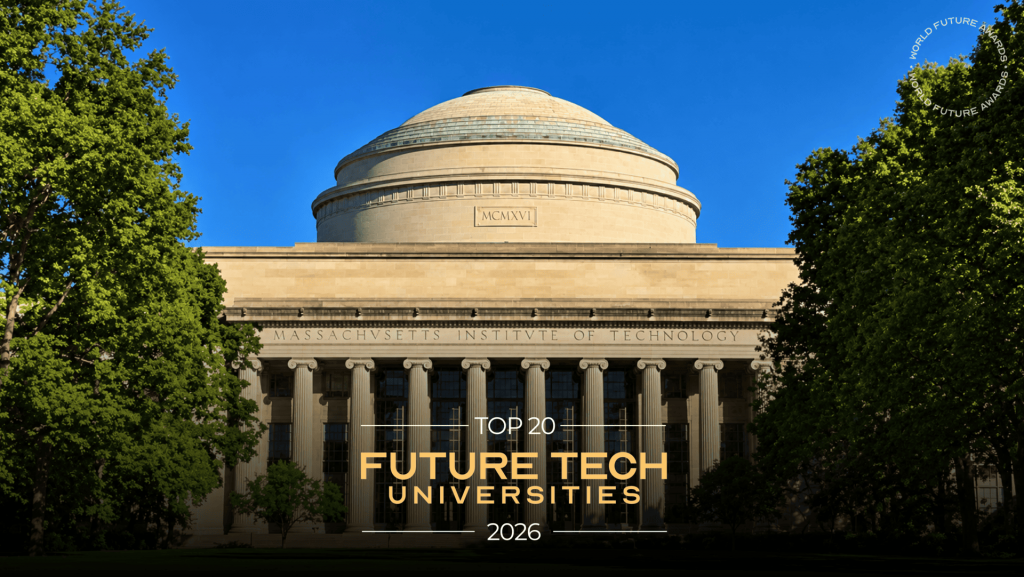
1. MIT — Massachusetts Institute of Technology
Why it stands out: where research, engineering and entrepreneurship meet.
MIT leads the 2026 QS Computer Science & Information Systems ranking. Its strength is the ability to connect computing with engineering, AI, robotics, science and entrepreneurship. For future technology, that cross-disciplinary model is especially powerful: ideas can move from fundamental research toward prototypes, startups and real-world applications.
2. Stanford University
Why it stands out: deep research connected to one of the world’s strongest technology ecosystems.
Stanford remains #2 in QS 2026. Its influence spans artificial intelligence, computer systems, robotics and human-computer interaction, while its Silicon Valley environment creates unusually close links between researchers, founders, investors and technology companies.
3. Carnegie Mellon University
Why it stands out: exceptional depth in AI, robotics and autonomous systems.
Carnegie Mellon holds #3. Few institutions are as strongly associated with practical AI and robotics research. Its work across machine learning, computer vision, language technologies, cybersecurity and autonomous systems makes it a particularly important university to watch as intelligent machines move into the real world.
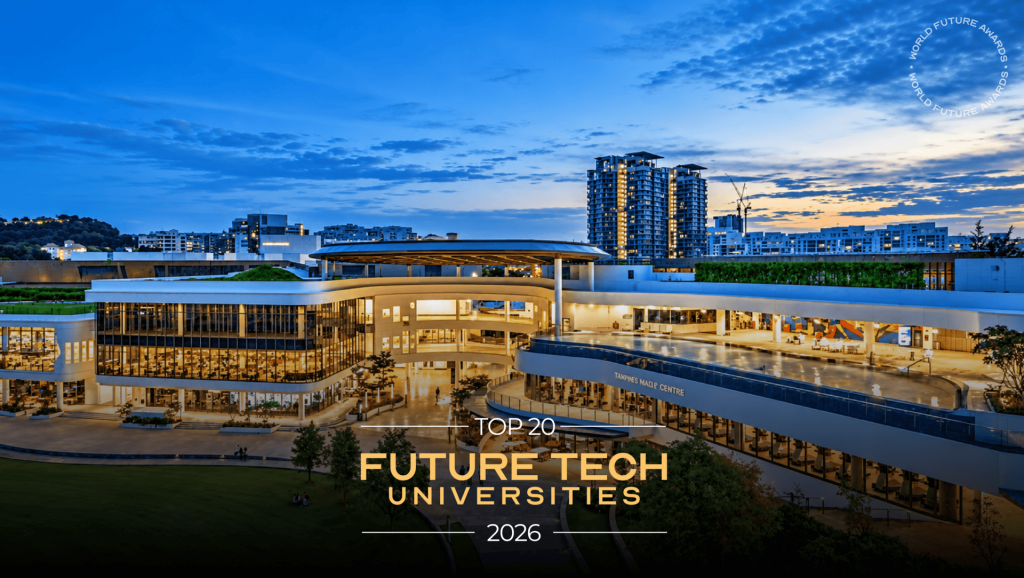
4. National University of Singapore (NUS)
Why it stands out: a leading Asian technology hub with global reach.
NUS shares #4 and is the highest-ranked Asian university in this QS table. Singapore’s position as a hub for digital infrastructure, AI, fintech and advanced manufacturing gives NUS a powerful environment for connecting research, talent and industry.
5. University of Oxford
Why it stands out: frontier computing connected to fundamental science.
Oxford shares #4. Its future-tech relevance extends beyond computer science into AI, computational science, medicine, biology and mathematics. Oxford also shows why rankings should be read as benchmarks rather than absolute truth: THE’s 2026 Computer Science ranking places Oxford first.
6. University of California, Berkeley
Why it stands out: research power with a direct line into the Bay Area innovation economy.
Berkeley rises to #6 from #8. Its strengths in AI, data science, robotics, systems and computing benefit from close proximity to one of the world’s deepest technology ecosystems. It is a strong example of how academic research and commercialization can reinforce each other.
7. Harvard University
Why it stands out: computing applied far beyond computing.
Harvard remains #7. Its future-tech significance comes from connecting computer science with medicine, biology, neuroscience, economics and other disciplines. As technology increasingly becomes infrastructure for science and society, this breadth becomes a major advantage.
8. University of Cambridge
Why it stands out: fundamental science feeding the next technology pipeline.
Cambridge moves to #8. Its combination of computer science, mathematics, engineering and physical sciences provides a strong foundation for technologies that depend on deeper scientific breakthroughs. It represents the research-intensive side of future technology.
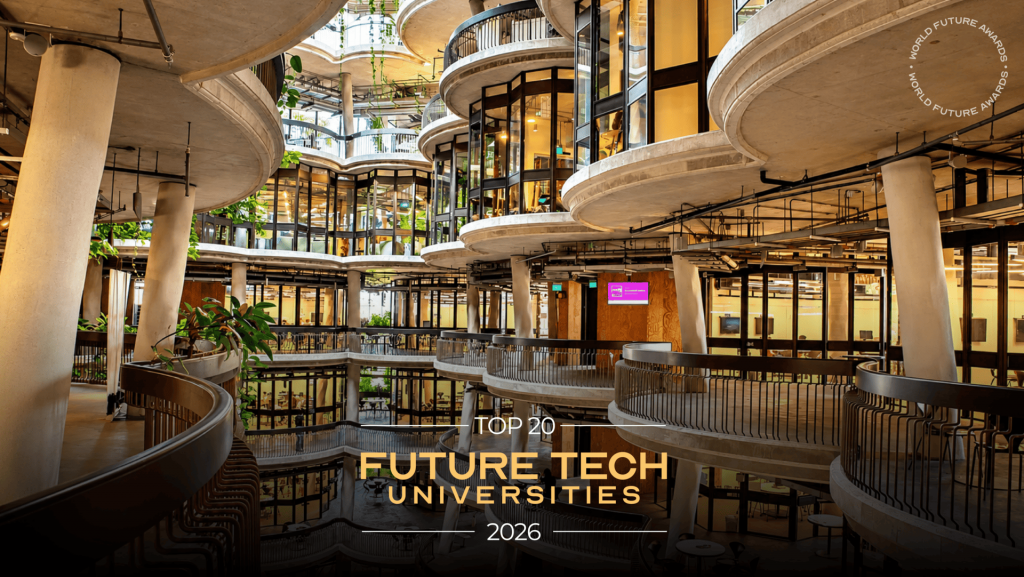
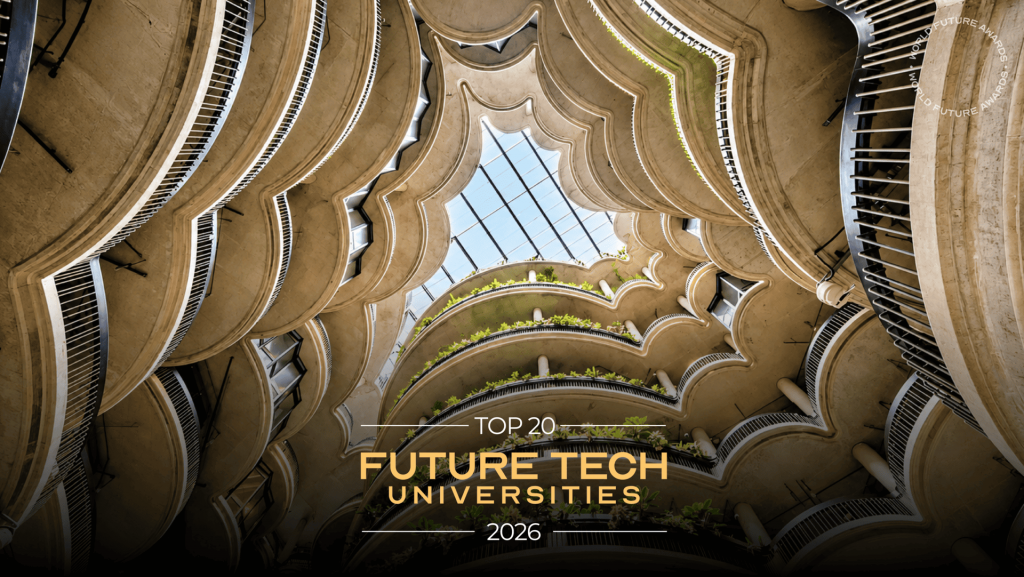
9. Nanyang Technological University (NTU)
Why it stands out: engineering and emerging technology at Asian scale.
NTU ranks #9. Its strengths across engineering, computing, AI and robotics are reinforced by Singapore’s wider manufacturing and technology ecosystem. Its position also reflects the growing importance of Asia as a centre of advanced research and technology development.
10. ETH Zurich
Why it stands out: rigorous engineering for the physical future.
ETH Zurich remains in the global top 10. Its strengths in robotics, AI, computer science and advanced engineering are particularly relevant as software increasingly interacts with machines, infrastructure, materials and autonomous systems.
11. Tsinghua University
Why it stands out: one of China’s major research engines for advanced technology.
Tsinghua holds #11. Its technology ecosystem spans AI, computer science, engineering and automation. Its continued presence near the top of the global table reflects the increasing weight of Chinese research institutions in frontier technology.
12. Imperial College London
Why it stands out: one of the ranking’s strongest upward movers.
Imperial jumps from #22 to #12 in QS 2026. Its science-and-engineering identity creates a strong platform for AI, computing, robotics, data science and technology applied to healthcare, energy and physical infrastructure.
13. University of Toronto
Why it stands out: a major North American centre for AI research.
Toronto ranks #13. Its machine-learning and computer-science ecosystem has helped make the city an important global AI hub. The university illustrates how strong institutions can be amplified by a wider national research and innovation ecosystem.
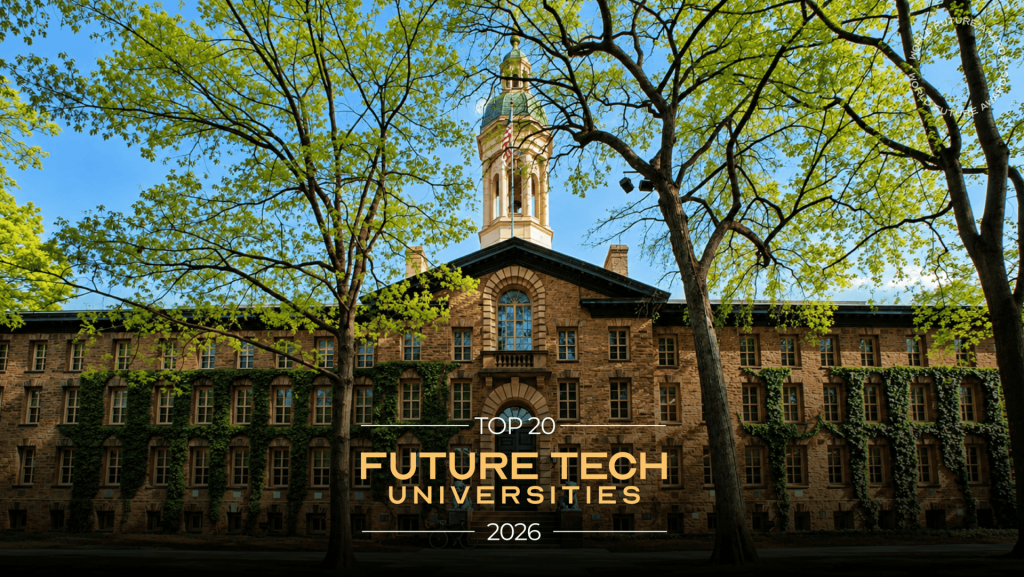
14. Princeton University
Why it stands out: research depth at the intersection of computing and fundamental science.
Princeton ranks #14. Its future-tech relevance comes from deep work across computer science, mathematics, physics and engineering. For difficult frontiers such as quantum technologies and theoretical computing, that research depth matters.
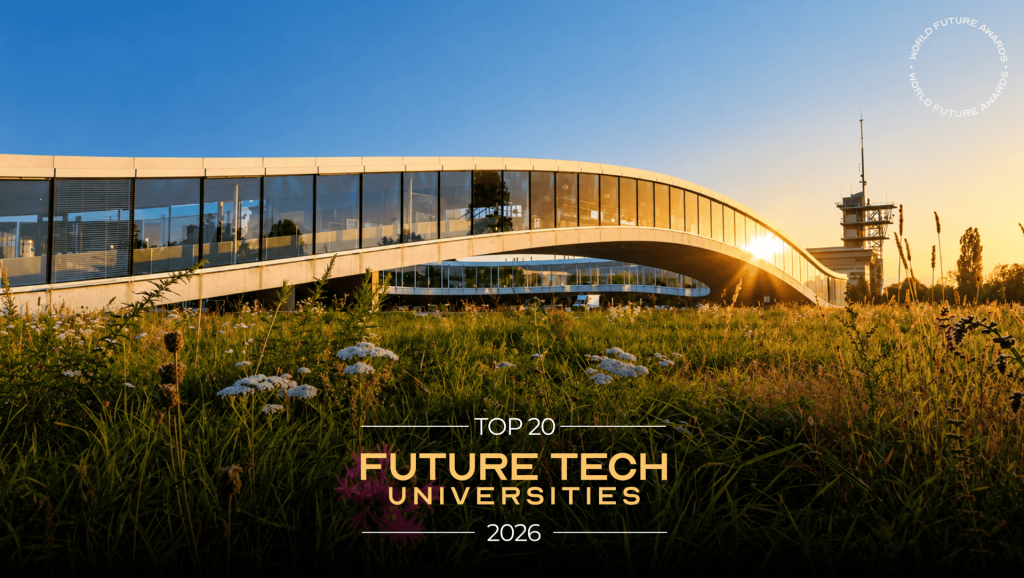
15. EPFL
Why it stands out: a European technology laboratory linking research and entrepreneurship.
EPFL holds #15. Its strengths in computer science, AI, robotics and engineering are supported by Switzerland’s innovation ecosystem. It is a strong example of Europe’s model of combining technical research with technology transfer and startup creation.
16. Peking University
Why it stands out: elite science within a rapidly expanding technology ecosystem.
Peking University ranks #16. Its strengths across computer science, AI, mathematics and interdisciplinary science add to China’s growing research capacity. Together with Tsinghua, it demonstrates how global technology leadership is becoming more geographically distributed.
17. Cornell University
Why it stands out: advanced computing with a strong entrepreneurial dimension.
Cornell ranks #17. Its research spans AI, machine learning, robotics and systems, while its wider technology and startup connections provide routes from academic work toward practical innovation.
18. Institute of Science Tokyo
Why it stands out: a remarkable rise into the global top 20.
The Institute of Science Tokyo ranks #18. Its 2026 position is especially notable because the institution was formed in 2024 through the merger of Tokyo Institute of Technology and Tokyo Medical and Dental University. Its combination of engineering, computing and science creates a distinctive platform for future technology.
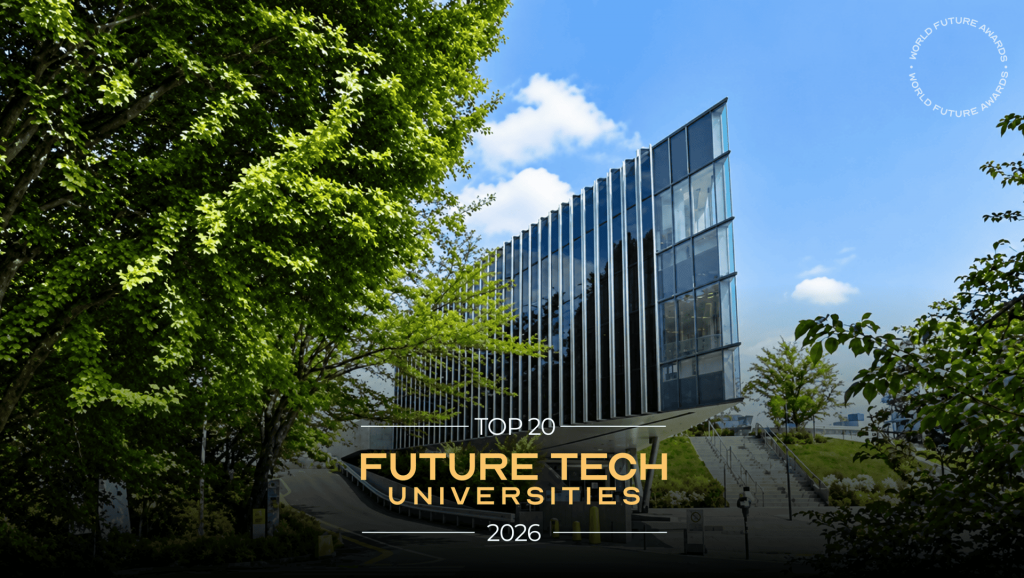
19. UCLA — University of California, Los Angeles
Why it stands out: technology connected to a diverse real-world innovation environment.
UCLA ranks #19. Its research in AI, computing, data science and robotics benefits from a broader ecosystem spanning healthcare, aerospace, entertainment and technology. That diversity creates opportunities for technology to cross traditional industry boundaries.
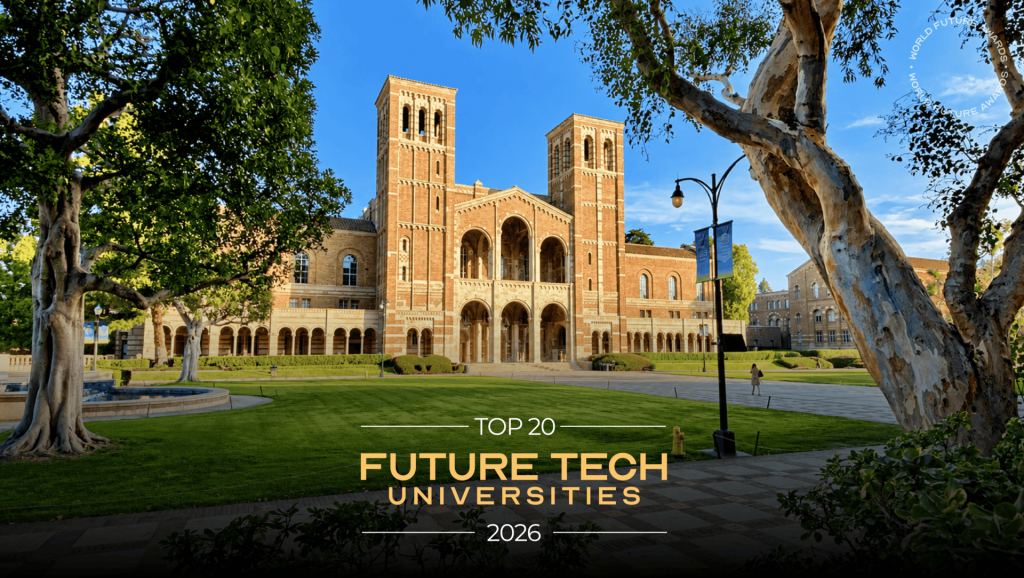
20. University College London (UCL)
Why it stands out: advanced technology embedded in a global city.
UCL completes the top 20. Its London location connects research with technology, finance, healthcare, government and creative industries. It is a useful example of how the environment surrounding a university can shape the way research meets society.
What the 2026 ranking tells us
The US still dominates the top tier. Ten of the 20 positions are held by US universities, including MIT, Stanford and Carnegie Mellon at the top.
Asia is becoming impossible to ignore. NUS and NTU place in the top 10, while Tsinghua, Peking University and the Institute of Science Tokyo reinforce the growing weight of Asian research ecosystems.
AI is changing the meaning of technical excellence. The strongest institutions increasingly combine AI with robotics, data science, cybersecurity, biology, engineering and human-computer interaction.
Interdisciplinary research is becoming a competitive advantage. The future-tech university is increasingly a network connecting computing with medicine, materials, energy, mathematics and the physical world.
Universities are becoming innovation ecosystems. The most influential institutions increasingly provide a pathway from research to prototype, startup, investment and global deployment.
The bigger picture
A university ranking is useful, but it is not the whole story. The more important question for the next decade is which institutions are creating the people, research and technologies that will define what comes next.
MIT, Stanford and Carnegie Mellon continue to set the pace. Oxford, Cambridge, ETH Zurich and Imperial demonstrate Europe’s research strength. NUS and NTU highlight Asia’s accelerating rise, while Tsinghua, Peking and the Institute of Science Tokyo show how technology leadership is becoming increasingly global.
The future of technology will not be created in one country, one laboratory or one university. It will be built by a global network of researchers, engineers, entrepreneurs and students capable of turning ideas into technologies that change everyday life.
Primary Sources
QS World University Rankings by Subject 2026 — Computer Science & Information Systems
https://www.topuniversities.com/university-subject-rankings/computer-science-information-systems
QS World University Rankings by Subject 2026 results
https://www.qs.com/insights/qs-world-university-ranking-subject
Times Higher Education — Computer Science 2026
https://www.timeshighereducation.com/world-university-rankings/2026/subject-ranking/computer-science